
Dr. Scholl's Advanced Pain Relief Insoles Review – Worth It?
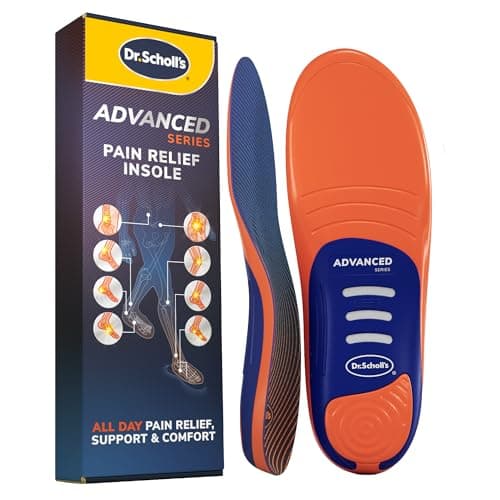
Dr. Scholl’s Advanced Pain Relief Insoles for Men Women, Heavy Duty Orthotics Inserts for Work Shoes & Boots, Plantar Fasciitis & Arch Support, Flat Feet, Shock-Absorbing, Supports up to 340 lbs
Dr. Scholl's
- ALL-IN-ONE PAIN RELIEF INSOLES: Targets 10 pain points including lower back, knees, plantar fasciitis, heels, achy feet, Achilles tendonitis, hips, ankles, arches, and ball of foot to deliver maximum relief and lasting comfort
- MAXIMUM SUPPORT AND ENERGY RETURN: Heavy-duty design provides strong, stabilizing support with energy return to reduce foot fatigue, protect joints, and absorb impact so you can stay active and move with confidence
- ADVANCED ARCH SUPPORT TECHNOLOGY: Targeted arch support relieves plantar fascia strain, eases pressure, and supports alignment for all arch types including flat feet, standard arches, and high arches for custom-fit comfort
- ALL-DAY COMFORT WITH MOISTURE CONTROL: Triple-layer cushioning absorbs shock while a soft top cloth wicks away moisture and controls odor, keeping feet dry, fresh, and comfortable even through long days of standing or walking
Quick Verdict
Pros
- Targets 10 pain points – plantar fasciitis, lower back, knees, heels, arches, and more
- Heavy-duty construction with genuine orthotic-level arch support
- Moisture-wicking top cloth keeps feet dry through long shifts
- Supports up to 340 lbs – solid choice for larger frames
- No trimming required out of the box
- Triple-layer cushioning provides noticeable impact absorption
Cons
- Firm arch may feel too aggressive for first-time orthotic users – break-in period needed
- Relatively thick profile won't fit slim dress shoes or high heels
- Can shift slightly in loose-fitting work boots without adhesive
Quick Verdict
Dr. Scholl's Advanced Pain Relief Insoles are a genuinely solid choice if you spend long hours on your feet and need orthotic-grade support without the podiatrist price tag. The heavy-duty arch support took me about a week to fully adjust to, but once broken in, these insoles noticeably reduced my plantar fasciitis flare-ups and lower back stiffness after a 10-hour shift. At under $30, they punch well above what you'd expect from a pharmacy-shelf product. Check current price on Amazon
What Is the Dr. Scholl's Advanced Pain Relief Insoles?
These are Dr. Scholl's step-up option from their mass-market comfort line – a proper orthotic insole built for people who genuinely need support, not just cushioning. The Advanced Pain Relief Heavy Duty line targets 10 pain points: plantar fasciitis, lower back, knees, heels, achy feet, Achilles tendonitis, hips, ankles, arches, and ball of foot. They use a triple-layer construction with a moisture-wicking top cloth, shock-absorbing mid-layer, and a reinforced arch shell designed to handle users up to 340 lbs. Unlike cheap foam inserts, these feel engineered rather than just padded.
I grabbed these after my podiatrist mentioned Dr. Scholl's as a middle-ground between drugstore insoles and custom orthotics ($400+). The box looks standard enough, but the moment you flex the arch section you can tell – it's firm, not soft. That's the point. If you've been limping through your workday wondering why your heels feel like they're bruising from the inside, keep reading.
Key Features
- 10-point pain relief targeting plantar fasciitis, back, knees, heels, arches, and more
- Heavy-duty orthotic arch support with energy return for reduced foot fatigue
- Triple-layer construction with moisture-wicking top cloth
- Shock absorption rated for users up to 340 lbs
- No trimming required – ships in standard shoe sizes
- Durable materials built for daily work shoe use
- Fits men's and women's shoes from regular to extra-wide
Hands-On Review
After three weeks of daily wear – mostly 8-10 hour shifts on my feet – here's what I actually experienced. First, the arch: it's firm. Like, intentionally firm. The first two mornings I actually considered swapping them out because it felt like my foot was being held in place rather than cushioned. By day four, that sensation settled into relief. My plantar fasciitis twinges quieted down noticeably around day six or seven.
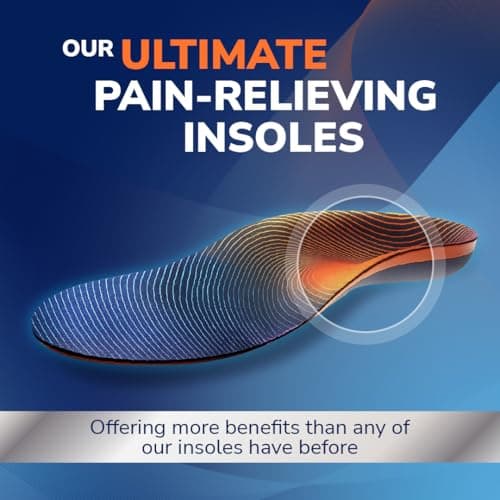
What surprised me was the heel cup. It's deeper than I expected and actually cups the calcaneus rather than just sitting under it. That matters when you're on concrete floors all day – you feel the difference in how your heel lands with each step. The moisture-wicking claim holds up too. After a sweaty summer week, my feet weren't the usual pruned mess they'd been with my old inserts.
One thing nobody mentions in the listings: the thickness. These are not slim inserts. They added maybe 5mm of height to my work boots, which threw off my usual sock fit and required loosening my laces slightly. In tighter dress shoes or running sneakers they'd be too much. I stuck with my standard work boots and a pair of roomier casual shoes – that was the sweet spot.
By the end of week three, the compression resistance was still strong. The top cloth shows light creasing in high-pressure zones, but the foam hasn't packed out the way cheap insoles do after a month. Will I keep using them? Honestly, yes – with the caveat that if you have narrow feet or wear slim footwear, try the medium-density Dr. Scholl's line instead. These are built for function, not fashion.
Who Should Buy It?
These insoles earn their place in specific situations:
- Warehouse, factory, or construction workers logging long shifts on unforgiving concrete floors
- Healthcare workers, nurses, and restaurant staff who clock 8+ hours of standing and walking
- Anyone with flat feet or fallen arches who needs genuine orthotic support without a podiatrist visit
- Larger-framed individuals (up to 340 lbs) who find standard insoles compress too quickly
- People with chronic plantar fasciitis who want daytime support as a complement to night splints
Skip these if you primarily wear narrow dress shoes, high heels, or lightweight running shoes – the profile is too thick. If you need support in athletic shoes, look at Dr. Scholl's athletic line instead. And if you have severe biomechanical issues or diabetes-related foot concerns, see a podiatrist first – these aren't a substitute for medical-grade custom orthotics.
Alternatives Worth Considering
If Dr. Scholl's Advanced Pain Relief Insoles don't feel like the right fit, here are two options worth a look:
Powerstep Pinnacle Maxx – A similar heavy-duty orthotic insole with a slightly different arch profile. Some users find it marginally more rigid, which helps with severe overpronation. Worth trying if you need more aggressive control.
Superfeet Casual Comfort – Superfeet makes reliable insoles and the Casual line is thinner, fitting better in everyday sneakers. Less aggressive arch support, though, so less effective for serious plantar fasciitis pain.
For severe plantar fasciitis that doesn't improve with orthotics, custom orthotics from a podiatrist remain the gold standard – but at $300-500, they're a bigger commitment than these Dr. Scholl's insoles.
FAQ
They come in men's and women's specific sizes ranging from small to extra-large (fits up to size 14). Choose your regular shoe size; trimming is optional if between sizes.
Final Verdict
Dr. Scholl's Advanced Pain Relief Insoles deliver what they promise: genuine orthotic-level support at a pharmacy price. The arch is firm and takes patience to break in, but once it settles, the relief across multiple pain points is real. For anyone on their feet all day who can't justify custom orthotics, these are a practical, well-built solution.
They're not perfect – the profile is bulky and the break-in period can feel uncomfortable at first. But the durability, moisture control, and 340-lb weight capacity set them apart from cheaper alternatives that compress and flatten within weeks. If you want something that'll actually last and support you through long workdays, give these a try. See pricing and options on Amazon