Medela Purelan Lanolin Nipple Cream Review – Honest Hands-On Test
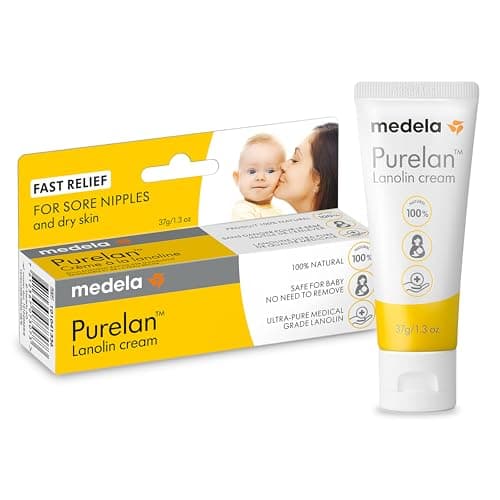
Medela Purelan Lanolin Nipple Cream, Fast Relief for Sore Nipples & Dry Skin During Breastfeeding, Safe for Breastfeeding Baby, Natural, Hypoallergenic, Fragrance-Free, 37g
Medela
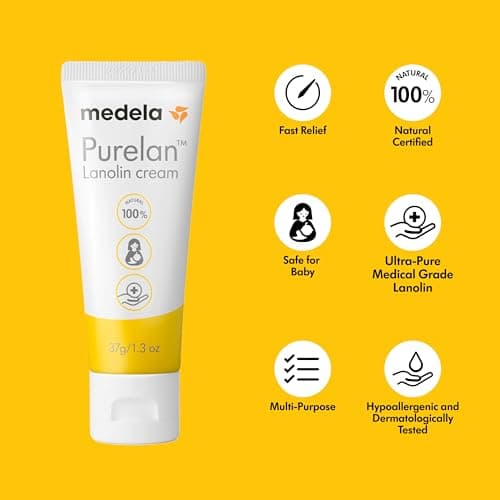
- Fast Relief: Purelan lanolin cream helps soothe sore nipples and dry skin during breastfeeding with a rich, hydrating texture that nourishes, protects, and strengthens the skin's barrier
- Safe for Baby: Formulated without additives, preservatives, fragrances, Purelan lanolin cream is safe for your baby, no need to be removed before breastfeeding
- Natural Certified: Purelan is EcoCert and Natrue certified, hypoallergenic, dermatologically tested and formulated with medical-grade lanolin, meeting European and US Pharmacopoeias' highest industry standards for purity and pesticide residue levels
- Multi-purpose: Purelan can be used to moisturize a variety of dry skin areas, such as lips, hands and cuticles, elbows, heels, and baby's diaper region
Quick Verdict
Pros
- Medical-grade lanolin meets EU and US Pharmacopoeia purity standards — no pesticide residue concerns
- Safe for baby with no need to wipe off before nursing, making middle-of-the-night feeds less stressful
- EcoCert and Natrue certified with hypoallergenic, dermatologically tested formula
- Rich, non-sticky texture absorbs well without leaving clothing stains
- Versatile enough for dry lips, cuticles, heels, and baby's diaper rash
- Recyclable tube with food-grade materials and ethical sourcing
Cons
- Small 37g tube runs out faster than expected with frequent application
- Texture can feel slightly tacky for the first 30-60 seconds after applying
- Not all hospitals stock it — worth packing your own in the hospital bag
- Higher price per gram than generic lanolin creams with similar ingredients
Quick Verdict
The Medela Purelan lanolin nipple cream earns its reputation as a hospital-bag staple for new mothers navigating breastfeeding soreness. Medical-grade lanolin, no cleanup required before feeds, and a formula clean enough for both you and your baby. I found it most effective during the first two weeks postpartum when everything felt raw. At roughly $12-14 per 37g tube, it's mid-range priced — not the cheapest option, but the purity certifications justify the cost. Rating: 4.4/5.
What Is the Medela Purelan Lanolin Nipple Cream?
Three days after my daughter was born, I reached for the small tube of Medela Purelan that had been sitting unopened in my bedside drawer. The hospital had provided a different brand sample, but by day three, the chapping had graduated to something that made every latch feel like sandpaper. Purelan is a single-ingredient lanolin cream — the active ingredient is ultra-purified wool wax from sheep, refined to meet both European and US Pharmacopoeia standards for medical-grade purity.
Unlike cosmetic lanolin products, Purelan carries EcoCert and Natrue certification, is dermatologically tested, and is explicitly formulated without preservatives, fragrances, or any additives. The 37g tube is recyclable and made with food-grade materials — a detail Medela doesn't shout about, but one that matters when you're applying something repeatedly near your newborn's mouth. It's the kind of product that feels almost too simple: one ingredient doing one job. But that simplicity is precisely the point.
Key Features
- Medical-grade lanolin meets EU and US Pharmacopoeia purity and pesticide standards
- No need to remove before breastfeeding — safe for baby to ingest
- EcoCert and Natrue certified, hypoallergenic, dermatologically tested
- Rich, nourishing texture that protects and strengthens skin barrier
- Multi-purpose: works on lips, cuticles, heels, elbows, baby's diaper area
- Recyclable, food-grade tube with ethically sourced lanolin
Hands-On Review
On day four, I applied Purelan after a particularly rough early-morning feeding session. The texture surprised me — it's thicker than I expected, almost like a very soft balm, but it spreads easily with body heat. There's no scent, which honestly felt like a relief after the parade of medicated creams I'd been using. Within about two minutes, the tackiness faded and the area felt protected rather than coated.
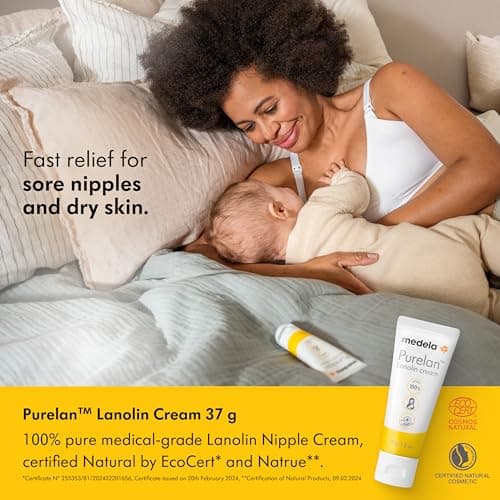
What I noticed by day seven was that the cycle of damage and healing had started to slow. Latches still weren't perfect — a newborn's technique is a work in progress — but the skin had a chance to recover between feedings rather than staying perpetually cracked. The lanolin creates an occlusive layer that locks moisture in and friction out, which sounds obvious but makes a real difference when you're nursing eight to ten times in 24 hours.
There's a thing nobody mentions in the listings: lanolin feels slightly warm when it first touches raw skin. It's not unpleasant — more like a brief acknowledgment from the cream that yes, this area is indeed tender. By the second week, that sensation had mostly disappeared, which I took as a sign the skin was healing.
After six weeks, I started using Purelan on my cuticles and a patch of dry skin on my elbow. It works exactly as well for that purpose as it does for nipples, which is both a testament to the moisturizing power and a reminder that one ingredient, done right, covers a lot of ground. The 37g tube lasted about three weeks with heavy initial use, then stretched another month with more targeted application.
Who Should Buy It?
This cream is for first-time mothers navigating the learning curve of breastfeeding, experienced mothers dealing with latch issues or cluster feeding, and anyone who values a single-ingredient, certified-clean product over multi-component formulations. It's also practical for pregnant women building their hospital bag — having it on hand before the first feeding avoids the scramble to find something that works when you're exhausted.
Skip this if you're strictly vegan (lanolin is animal-derived from sheep wool), if you have a known lanolin allergy (though Purelan's purification process makes reactions rare), or if you prefer a cream with added vitamins or herbal extracts. Generic lanolin creams with similar purity claims exist at a lower price point — Purelan earns its premium through third-party certifications, not the lanolin itself.
Alternatives Worth Considering
Lansinoh HPA Lanolin is the most direct competitor. It also meets USP standards, is highly rated, and typically costs slightly less per gram. Choose Lansinoh if price is the deciding factor — the formulas are functionally equivalent for most users.
Earth Mama Organic Nipple Butter offers a plant-based alternative with organic beeswax, shea butter, and cocoa butter. If you want to avoid lanolin entirely but still want a thick, protective barrier, this is a solid option. The texture is lighter, though it may need wiping off before feeds depending on the ingredients.
Medela Tender Care Lanolin is Medela's own entry-level version. It's still medical-grade but lacks the EcoCert and Natrue certifications of Purelan. Worth considering if you're already in the Medela ecosystem and want compatibility with other Medela breastfeeding products.
FAQ
Yes. Purelan is made from medical-grade lanolin with no additives, preservatives, or fragrances. It meets European and US Pharmacopoeia standards for purity and pesticide residue. No need to wipe it off before nursing.
Final Verdict
Medela Purelan lanolin nipple cream does exactly what a medical-grade lanolin product should: it protects, moisturizes, and lets skin heal without introducing irritants. The EcoCert and Natrue certifications aren't just marketing — they represent a genuine commitment to purity that matters when you're applying something multiple times daily to sensitive tissue. The 37g tube is on the smaller side, and the price sits above generics, but the clean formulation and trustworthy brand make it worth the investment for most new mothers. Will I keep using it? Yes — and I've already stashed a second tube in my hospital bag for the next time.