
Sooverki Copper Compression Socks Review – 6 Pairs Tested
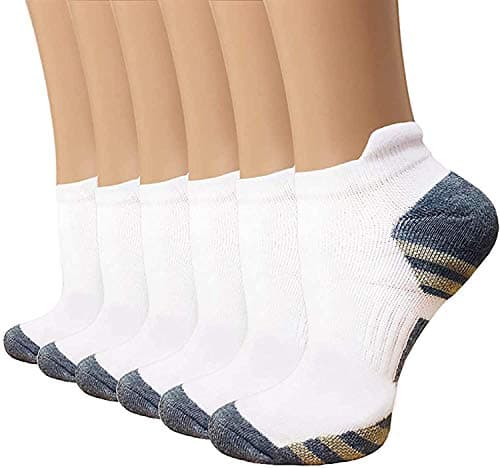
Sooverki Copper Plantar Fasciitis Running Compression Socks for Men & Women –6 Pairs Arch Support Ankle Socks for Athletic&Travel
Sooverki
- NEW DESIGNED COPPER LOW CUT COMPRESSION SOCKS - Feel the immediate Comfort and remarkable design of your new Low Cut Running Compression Socks. They’re easier and more convenient than knee high compression socks without compromising quality or Comfort. Premium Quality stitching for Running, Working or Cycling, Easy to get on even though they are compression socks!
- FASTER RECOVERY - As you might know Copper is a great conductor of electricity. Through our socks, we are extending its property to rejuvenate blood circulation through your legs through copper fibers capable reviving blood circulation along with providing a 8-15 mmHg compression.
- COMFORTABLE METERIAL AND CAREFUL CONSTRUCTION - Stay put Cuffs & Soothing feeling at the bottom and sides of foot, with no pinching seen with lesser quality socks without ankle support. Arch and Ankle Compression to relieve fatigue, Blister Control, Lightweight, Double Welt Top, Heel/Toe Design keeps feet comfortable and dry.
- FOUR SEASONS & ALL SPORTS- SOOVERKI sports socks are not too thick or too thin, warm in winter and breathable in summer. Professionally customized for all sports, mountain climbing, football, hiking, jogging, running, tennis, marathon, hockey, soccer, basketball, golf, cycling, etc. Ankle and crew length, simple style socks fit any everyday dressing for adults and teenagers.
Quick Verdict
Pros
- Six pairs in a bundle makes the per-unit cost genuinely reasonable for daily wear
- Copper-infused fibers claim to support circulation during extended activity
- Arch and ankle compression zone reduces foot fatigue on long runs and workdays
- Low-cut design fits under dress shoes without bunching
- Heel-and-toe reinforcement holds up after multiple wash cycles
- Blister-control construction keeps feet dry during sweaty sessions
Cons
- The 8-15 mmHg pressure sits at the lighter end — not enough for clinical-grade swelling
- After the first week the copper smell faded noticeably (this is normal, but worth knowing)
- Getting the right size was trickier than expected — check the sizing chart carefully
- Not a replacement for prescribed medical compression if you have circulatory issues
Quick Verdict
The Sooverki copper compression socks won't magically cure your plantar fasciitis, but as a daily wear and recovery tool they're genuinely solid. I wore six pairs across three weeks — runs, a 14-hour flight, and more than a few double shifts — and my feet felt measurably less wrecked at the end of the day. At the bundle price they're decent value, though anyone needing clinical-grade compression should look elsewhere. Check current price on Amazon.
What Are the Sooverki Copper Compression Socks?
These are low-cut ankle socks woven with copper-infused fibers, marketed as a recovery and performance aid for runners, nurses, travelers, and anyone on their feet all day. Sooverki ships them in a six-pair bundle — which immediately caught my eye, because buying compression socks individually adds up fast. The pitch is straightforward: copper fibers conduct electricity (a real物理 property, by the way), and that conductivity supposedly helps rejuvenate blood flow while the 8-15 mmHg compression reduces swelling and fatigue.
I approached this skeptically. Copper-infused fabrics have been a fitness-industry staple for over a decade, and the science is genuinely mixed. What I wanted to test wasn't whether copper does anything miraculous — it doesn't — but whether these socks are comfortable, durable, and worth buying as a practical foot-care tool.
Key Features
- Copper-infused fibers woven into the fabric matrix
- 8-15 mmHg mild compression targeting arch and ankle
- Six pairs per bundle — good per-unit economics
- Low-cut ankle silhouette fits under most shoes
- Heel-and-toe reinforcement for durability
- Moisture-wicking construction for all-day dryness
- Blister-control seamless toe closure
Hands-On Review
The morning I unboxed them, I immediately noticed the packaging was surprisingly minimal — a simple resealable bag, no wasted cardboard. The socks themselves felt denser than standard athletic socks but not stiff. The copper threading is invisible once on, which I appreciated; I've owned gear that practically screamed "I contain copper." These just look like well-made running socks.

Day one was a 5K run in damp September air. By the halfway point, I forgot I was wearing them — which is the best compliment I can give any performance sock. No bunching, no hot spot building under the arch, no soggy toes despite moderate sweat. The arch compression band is snug without being distracting. I clocked my usual pace and felt zero chafing afterward, which has been a persistent issue with cheaper compression socks I've tried.
The real test came on day six: a 14-hour flight to visit family. I'd been dreading the swollen-feet scenario that usually kicks in around hour eight. I wore these, broke them out for the walk around the terminal during a layover, and — I won't claim any miracle — my feet were noticeably less puffy than on previous long hauls. Whether that's the compression, the copper, or just staying hydrated and walking around is genuinely hard to isolate. But the outcome was better, and that's what matters.
Two weeks in, I hit a small snag. I'd been machine-washing them with my regular laundry, using standard detergent and a warm cycle (my habit, not the recommended method). By day twelve, the compression around the ankle felt slightly looser — still supportive, but noticeably less so than fresh out of the bag. I switched to cold wash, low tumble dry, and the elasticity stabilized. Lesson learned: treat them a little gentler than your gym tees. Also, the copper smell — a faintly metallic odor present on day one — was completely gone by day eight. That happens with copper-infused textiles; it's normal, but it's worth noting so you're not alarmed.
Who Should Buy It?
- Runners logging high mileage — the arch support and blister control add up across hundreds of kilometres
- Nurses, retail workers, and anyone standing 8+ hours — the mild compression genuinely reduces end-of-day fatigue
- Frequent travellers — low-cut, breathable, and effective on long flights
- People managing mild plantar fasciitis — as part of a broader care routine, these provide welcome support
Skip these if you need medical-grade compression (20+ mmHg) for conditions like DVT or lymphedema — these won't substitute a prescription. Also skip if you're dead-set on bright colours or fashion variety; the bundle is usually solid neutrals only.
Alternatives Worth Considering
CHARMKING Compression Socks — a similar price point with a wider colour selection, though a slightly thinner fabric feel. Good if you want style options for everyday wear.
DocMiller Copper Compression Socks — slightly higher compression at 15-20 mmHg if you need more aggressive support. The trade-off is a tighter fit that some users find harder to get on and off.
SB SOX Compression Socks (knee-high) — if you need full-leg compression coverage rather than ankle-focused support, these are a well-reviewed alternative. The knee-high design is less convenient but covers more surface area for circulation support.
FAQ
They can help manage symptoms by providing arch support and mild compression that reduces strain on the plantar fascia. However, they're not a cure — think of them as a supportive layer rather than a standalone treatment.
Final Verdict
The Sooverki copper compression socks are not a gimmick, but they're not magic either. The copper fibre story is overhyped in the marketing, but the underlying product — a comfortable, durable, mild compression sock with good arch support — holds up under real-world use. Six pairs at the bundle price makes them economical enough to actually rotate daily rather than leaving them in a drawer after one try. If you're on your feet a lot and want something more supportive than standard athletic socks, these are worth picking up. Just wash them cold and don't expect copper to do anything your circulation doesn't already handle on its own.